


-

Add: HeBei ShengShi HongBang Cellulose Technology CO.,LTD.
-

Email
13180486930@163.com -

CONTACT US
+86 13180486930

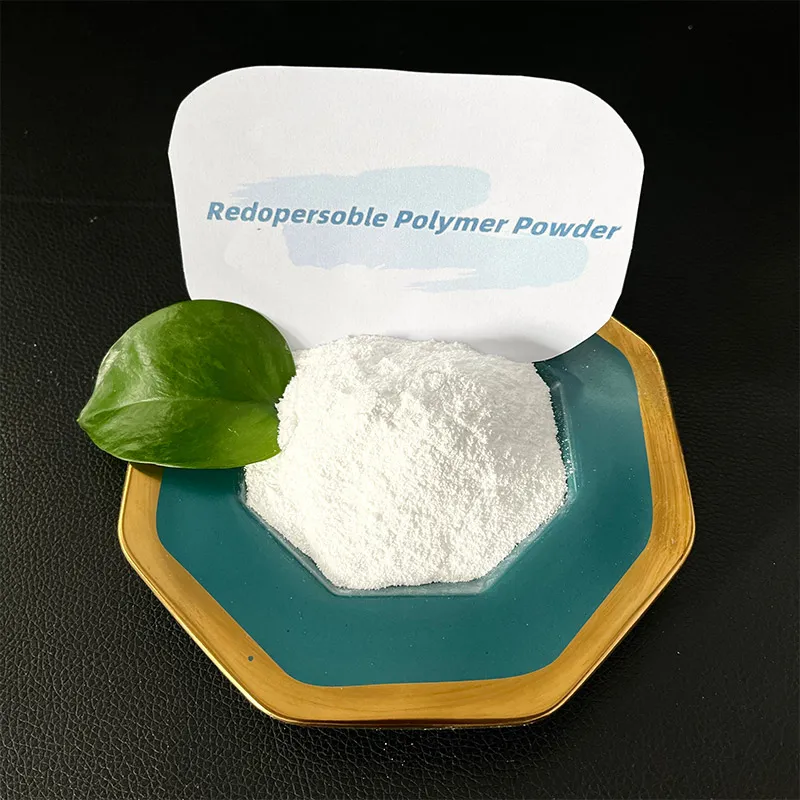
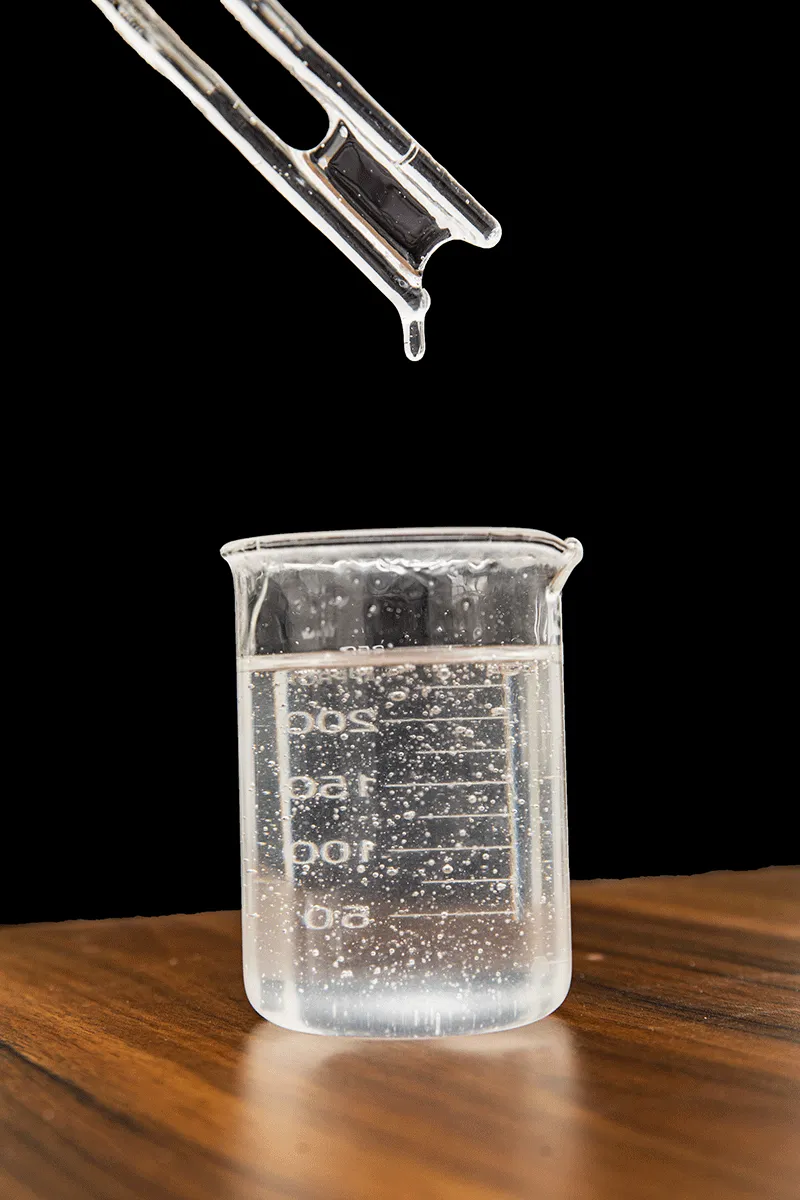


Hypromellose, auch bekannt als HPMC, ist ein vielseitiger Zusatzstoff, der häufig in der Pharma-, Lebensmittel- und Bauindustrie verwendet wird. Insbesondere HPMC mit einer Viskosität von 6 cps (Centipoise) hat spezifische Eigenschaften , die seine Verwendung in verschiedenen Produkten begünstigen. In der pharmazeutischen Industrie wird HPMC 6 cps oft als Vernetzungsmittel in Tabletten und Kapseln eingesetzt. Die spezielle Viskosität sorgt dafür, dass die Tabletten eine stabile Form beibehalten und die Freisetzung des Wirkstoffs kontrolliert erfolgt. Dies ist besonders wichtig, um eine konstante Bioverfügbarkeit der Medikamente zu gewährleisten, was letztendlich die therapeutische Wirksamkeit steigert. Als Expertin auf diesem Gebiet kann ich bestätigen, dass die sichere Anwendung von HPMC in Medikamenten sicherstellt, dass kein unerwünschter Einfluss auf den menschlichen Körper besteht, was auf umfangreiche Testverfahren zurückzuführen ist, die die Verträglichkeit und Unbedenklichkeit bestätigen. Im Lebensmittelsektor fungiert HPMC 6 cps als exzellenter Verdicker und Emulgator. Ideal für die Herstellung von fettarmen Saucen, Dressings und Desserts, trägt es zur Verbesserung der Textur und Stabilität bei, ohne den Geschmack zu beeinträchtigen. Basierend auf meiner Erfahrung in der Lebensmitteltechnologie kann HPMC verwendet werden, um die strukturelle Integrität von Lebensmitteln in verarbeiteten Produkten aufrechtzuerhalten. Es erhöht die Konsistenz von Produkten, was gleichzeitig die Verbrauchererfahrung fördert. Zudem ist es frei von tierischen Produkten und eignet sich somit hervorragend für vegetarische und vegane Lebensmittel. HPMC 6 cps Darüber hinaus ist HPMC 6 cps ein wertvoller Bestandteil in der Bauindustrie. Hier wird es als Bindemittel in Fliesenklebern und Mörteln verwendet. Die spezielle Viskosität von 6 cps sorgt dafür, dass die Mischung ausreichend fließfähig und dennoch stabil genug ist, um eine lange Bearbeitungszeit zu gewährleisten. Dies erleichtert den Bauarbeitern die Anwendung und verbessert die Haftung an verschiedenen Oberflächen. Durch die Anwendung von HPMC wird auch die Rissbildung in Trocknungsphasen reduziert, ein Bedürfnis, das jeder erfahrene Baufachmann bestätigen kann. Ein weiterer bedeutender Nutzen von HPMC 6 cps liegt in seiner Beständigkeit gegenüber verschiedenen pH-Bereichen und Temperaturen, was seine Verwendbarkeit in verschiedenen klimatischen Bedingungen unterstreicht. Diese Eigenschaft hebt seine Verlässlichkeit hervor und schafft Vertrauen in seine multiplen Anwendungen. Zusammenfassend lässt sich sagen, dass HPMC 6 cps aufgrund seiner Vielseitigkeit in verschiedenen Industriezweigen an Popularität gewonnen hat. Seine Fähigkeit, als Bindemittel, Verdicker und stabilisierender Stoff in unterschiedlichen Prozessen zu fungieren, macht ihn zu einer unverzichtbaren Ressource. Die Qualität und Reinheit von HPMC, die durch strenge Standards gesichert werden, verstärken sein Ansehen unter Experten und stellen seine Beständigkeit als zuverlässiger industrieller Zusatzstoff sicher. Die fortwährende Forschung in Bezug auf HPMC 6 cps könnte seine Anwendungen in zukunftsweisenden Technologien erweitern, was es zu einem spannenden Thema für Innovationsforscher macht. Vertrauen Sie auf die Expertise und Erfahrung mit HPMC, einem äußerst anpassungsfähigen und sicheren Inhaltsstoff, der in den nächsten Jahren wohl noch an Bedeutung gewinnen wird.
- 40000tons

Production
- 20+years

Experience
- 5000+㎡

Acreage

-
Hydroxypropyl Methylcellulose (HPMC) stands as an innovative polymer solution , lauded for its multifaceted applications across various industries. This versatile compound, classified under nonionic cellulose ethers, has emerged as a pivotal player in enhancing the functionality and performance of a plethora of products, from construction materials to pharmaceuticals, and even food and personal care items. Real-world applications of HPMC are a testament to its exceptional qualities. In the construction industry, it is integral in improving the properties of materials such as cement and gypsum. Contractors and engineers often highlight their personal experiences using HPMC as a reliable additive. Its functions in enhancing water retention, workability, and open time are well-documented, contributing to more efficient building processes and superior quality finishes. HPMC's ability to improve the texture and adhesion of construction components exemplifies its indispensable role in modern construction practices. From a professional standpoint, the pharmaceutical industry champions HPMC as a critical component in formulating controlled-release medications. Its non-toxic and biocompatible nature ensures safety and efficacy, forming an essential part of many oral and topical pharmaceuticals. Pharmacists and drug manufacturers praise HPMC for its ability to control the release profile of active ingredients, improving therapeutic outcomes and patient adherence. Additionally, its role in creating clear, stable suspensions in liquid medications underpins its professional endorsement. The authority of HPMC extends into the food industry, where it acts as a thickener, stabilizer, and emulsifier. Food scientists regularly emphasize its importance in maintaining the texture and consistency of processed foods. HPMC's heat-resistant properties make it ideal for improving food viscosity without altering taste or nutritional content, earning the trust of chefs and culinary professionals alike. Its use in gluten-free baking to enhance dough elasticity and maintain moisture serves as a perfect example of its authoritative position in food science. hydroxypropyl methylcellulose Trust in HPMC is further anchored by its regulatory approvals from agencies like the FDA and the EFSA. These endorsements underscore its safety and applicability in consumer products, fostering confidence among manufacturers and consumers. The transparency in its sourcing and manufacturing processes ensures that HPMC meets stringent quality standards, thus reinforcing its reliability and integrity. Beyond its technical benefits, HPMC is revered for its environmental friendliness. Professionals across various sectors increasingly acknowledge its sustainable production, which aligns with global movements towards greener manufacturing practices. Its biodegradability and derivation from natural cellulose enhance its appeal as an eco-conscious alternative to synthetic additives, further cementing HPMC as a preferred choice among environmentally aware businesses. The future potential of HPMC continues to expand as research and innovation unveil new possibilities and applications. Industries constantly seek improved formulations, and HPMC's adaptability to new demands speaks to its enduring relevance. As experts delve deeper into unlocking its untapped capabilities, it's clear that HPMC will remain a staple across multiple domains, continually shaping and enhancing industry standards. In conclusion, Hydroxypropyl Methylcellulose is more than just a versatile polymer; it's a cornerstone of contemporary product development and innovation. Its application breadth, coupled with authoritative endorsements and a robust track record of trust, makes HPMC a vital component in advancing industry practices and consumer products. As industries evolve, professionals and consumers alike can rely on HPMC to deliver quality, performance, and sustainability.
-

Hydroxypropyl methyl cellulose (HPMC) significantly influences the properties of cement mortar, particularly in its early stages, where it may slightly reduce strength by increasing porosity and absorbing water, which can hinder the cement’s hydration process. However, the long-term impact of HPMC is multifaceted. Its water retention capability sustains hydration, thereby enhancing strength over time. Furthermore, HPMC improves the internal structure of mortar, contributing to stability and durability, which ultimately influences strength positively. The functions of HPMC in mortar are diverse; it primarily serves to retain moisture, preventing rapid evaporation during application processes like masonry, which reduces the risk of cracking and compromised strength. Additionally, HPMC exhibits thickening properties that enhance viscosity, facilitating easier and uniform application while preventing sagging, especially on vertical surfaces. This ensures better adhesion and resistance to gravity-induced displacement. Moreover, HPMC improves the overall workability of mortar, making it simpler to mix, transport, and apply, thus improving construction efficiency and minimizing waste. It also plays a vital role in enhancing durability by improving frost resistance and impermeability, crucial in cold or humid conditions. However, dosage control is essential, as inadequate or excessive amounts can adversely affect mortar strength and performance. Optimal HPMC dosage should be determined experimentally, and thorough mixing is necessary to ensure uniform distribution within the mortar. Proper storage conditions are also vital; HPMC must be kept in a dry environment away from direct sunlight and extreme temperatures to maintain its efficacy. Overall, while HPMC presents various benefits, careful management of its application and dosage is key to maximizing its advantages in cement mortar. At our company, we adhere to a strong philosophy that stands firmly against the traditional practices of harmful adulteration and the inconsistencies that often plague product quality from one batch to the next. We recognize that in today's competitive market, maintaining high standards is not just an option but a necessity. Therefore, we take pride in our commitment to quality assurance, ensuring that our products consistently meet the highest standards, eliminating any possibility of shirking quality issues. If you are considering venturing into the world of exporting, we invite you to partner with us.
advantages
-

200000 Viscosities
Excellent product
We can produce pure products up to 200,000 viscosities
-

40000 tons
High yield
We don’t stop production all year round, and the annual output can reach 40,000 tons
-

24 hours
Quality service
We provide 24-hours online reception service, welcome to consult at any time
———— Inquiry Form
Schedule A services
-
 retaine_hpmc_drops
Oct . 25, 2025
Long glass fiber reinforced polypropylene is revolutionizing the way industries approach manufacturi -
 cellulose_acetate_vs_wood_comb
Oct . 25, 2025
High-performance environment-friendly rubber powder has become a game-changer in modern industrial a -
 rubber_powder_buyers
Oct . 25, 2025
In the rapidly evolving world of pharmaceutical and health supplement manufacturing, the demand for


